
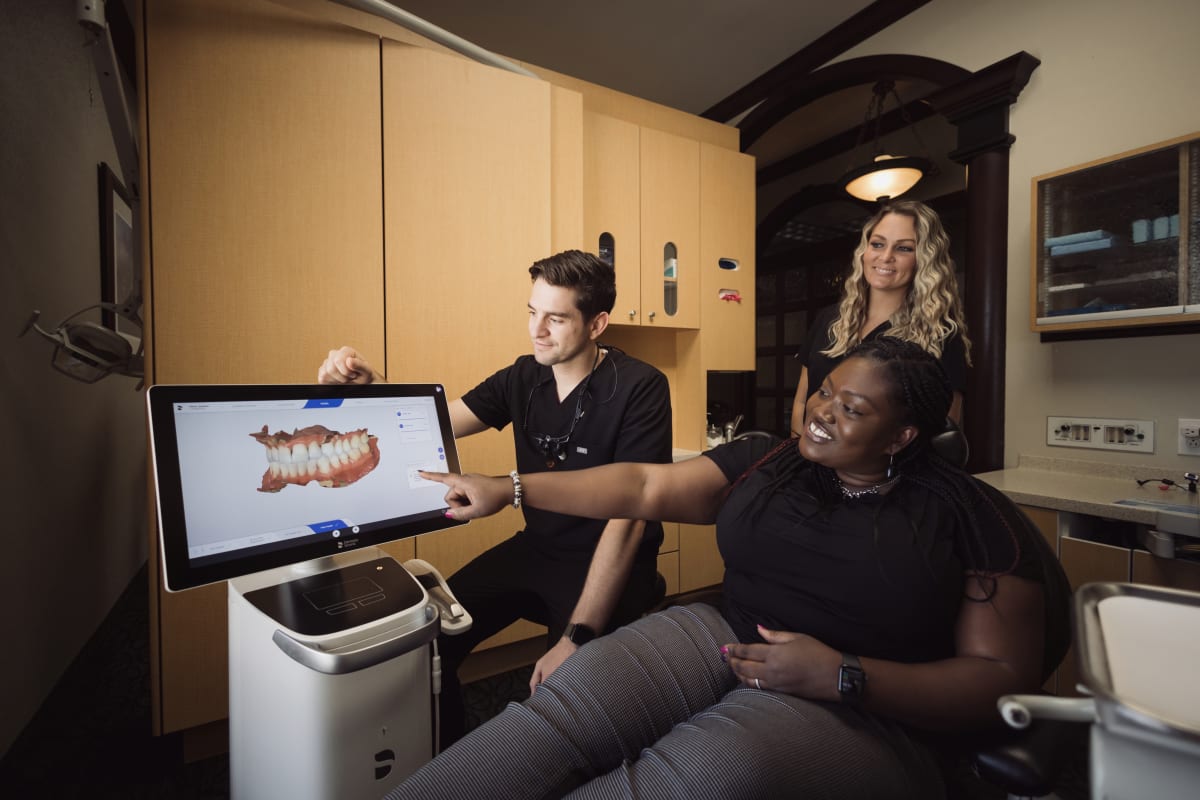

Dental crowns are often the best way to repair damaged teeth, restore the natural function of your teeth, and enhance your smile. At Titensor Dental, we offer modern porcelain and zirconia same-day crowns that look, feel, and work just like "real" teeth. But if you're about to invest in a dental crown, you may be wondering how long you can expect it to last.
The short answer? Typically 10-15 years, with some crowns lasting up to 20 years. The long answer? Read on as we discuss the different materials used for crowns, how their lifespans differ, what you can do to make sure you keep your crown for as long as possible, and much more! Let's get into the details.
Explaining Dental Crowns – The Basics
Let's start with the basics. Dental crowns, also sometimes called "caps," are designed specifically to cover up and protect damaged teeth. A crown looks like a hollow false tooth and is designed to fit over your natural tooth once it's been trimmed and prepared by Dr. Titensor or Dr. Jackson. Crowns are most often used to:
- Treat cavities in teeth that are too extensive for a filling
- Restore worn-down or chipped teeth
- Repair cracked or broken teeth
- Cover up a tooth after a root canal
- Replace large, outdated, or worn-down dental fillings
Once a crown is in place, it covers the damaged tooth all the way down to the gums, providing excellent protection and preventing further decay, dental trauma, or infection. As long as your tooth is not too damaged to save, a crown is typically the best option for repairing it.
Understanding The Average Lifespan of Dental Crowns
Now that you understand the basics of how crowns work and what they're for, let's discuss the different materials used for crowns and their typical lifespan, starting with porcelain-fused-to-metal (PFM) crowns.
Porcelain-fused-to-metal (PFM) crowns
Most lab-made porcelain crowns aren't actually made of pure porcelain, but use a porcelain-fused-to-metal (PFM) design instead. This means that the crown is made from a base of metal, like stainless steel, with a durable porcelain layer that's fused to the metal base.
This combines both the strength of metal and the natural appearance of porcelain, making PFM a "best of both worlds" option. Along with their natural appearance, PFM crowns are very durable, with an average lifespan of between 10-20 years.
All-ceramic crowns
Rather than using a metal base, crowns can also be made completely out of porcelain or another type of ceramic material like zirconia. This is very common in practices that offer same-day CEREC dentistry. This process uses a special milling machine to craft a crown out of a solid block of ceramic material with no need for a dental lab.
Since they're made only from ceramic materials, all-ceramic crowns have a very natural, tooth-like appearance. They are also typically quite strong and durable. They usually last between 10-15 years, but can last 20 years or longer with good at-home oral hygiene and regular checkups.
Metal crowns
Metal crowns are typically made from stainless steel, but can also be made with a blend of gold and other precious metals. They are a great option for restoring rear teeth (molars and premolars). This is because they hold up very well to the forces of biting and chewing.
However, because they're made of metal, these crowns have an unnatural appearance, making them a less appropriate option for restoring front teeth. Stainless steel crowns usually last up to 15 years, while gold crowns have a lifespan that can reach up to 20-30 years.
Resin temporary crowns
These crowns are made from a plastic resin material. Rather than being custom-made to fit your tooth, they usually come in a variety of pre-fitted sizes. They are meant to cover up teeth temporarily between appointments at the dentist. For example, you may get a temporary resin crown to cover up your tooth while your lab-made crown is being crafted, or after you get a root canal from Dr. Titensor or Dr. Jackson.
Temporary crown durability is usually quite low compared to other options. This makes sense, of course! Since these types of crowns are only meant to last for a few weeks or months until you get a permanent crown, there's no need to use more durable (and expensive) materials.
Other Factors Affecting Dental Crown Lifespan
While the material composition of a crown affects how long it lasts, it's not the only factor to take into account. Here are a few other things that can affect the lifespan of your crown:
- Dentist skill – Skilled dentists like Dr. Jackson and Dr. Titensor take steps to maximize the lifespan of crowns. For example, they can often remove minimal enamel when preparing your tooth, and use advanced dental adhesives and preparation techniques to ensure that the crown achieves a strong, long-lasting, and durable hold.
- Crown location – Crowns on front teeth tend to last longer than crowns on molars and premolars. This is because biting and chewing puts a lot more pressure on the rear teeth compared to the front teeth.
- Oral hygiene routine – While crowns can't decay, the underlying tooth structure can still decay if you don't take good care of your teeth, and this can lead to premature crown failure. A good at-home oral hygiene routine is essential for maximizing the lifespan of your crown.
- Personal habits and lifestyle – Along with oral hygiene, other lifestyle choices and habits can reduce the lifespan of your crowns. For example, if you use nicotine/tobacco products, consume lots of sugary drinks and foods, or drink alcohol regularly, you will have a much higher risk of premature crown failure.
- Professional cleanings and exams – Dental crown maintenance is part of every six-month visit at Titensor Dental. Dr. Titensor or Dr. Jackson will check and clean both your natural teeth and your crowns. This helps ensure that your crowns are in good shape and that your natural teeth are healthy, too!
Caring for Dental Crowns – Our Tips For A Long Lifespan

Dental crowns aren't exactly cheap. And while they're worth every penny, it's still a good idea to take every step you can to preserve your crown and make sure it lasts for as long as possible. How can you get the most out of your crown? Here are some simple tips that will help you keep it in great shape!
Brush twice a day for two minutes
This may seem basic, but it's one of the best ways to keep your crowns healthy. Brushing regularly with fluoride toothpaste helps prevent cavities in your natural teeth, and in the teeth that are supporting your crowns, too. Tooth decay is a super common cause of premature crown failure, so proper oral care is a must!
Floss every day and use mouthwash, too
Along with brushing twice each day, you should floss once per day to remove food and other debris from between your teeth and your crowns. Incorporating alcohol-free antibacterial mouthwash into your routine can also help preserve your smile and prevent cavities and gum disease!
Avoid biting on hard foods with front teeth
If you have crowns on your front teeth, it's best to avoid biting into extremely hard foods like raw vegetables, baguettes, bagels, and ice with your front teeth. Over time, this could crack or wear down the crown. It's best to bite into these foods with your rear teeth whenever possible, or to cut them up into smaller pieces!
Watch what you eat, too
Overall, you should eat a "tooth-healthy" diet. This means you should eat plenty of lean meats, whole grains, fresh fruits and vegetables, and healthy dairy products like yogurt. Cut back on alcohol, sugary foods/drinks, and starchy snacks like chips and crackers.
It's also a good idea to avoid very sticky foods like taffy, licorice, gummy worms, and caramel. Not only do these contribute to tooth decay, but they're so sticky that they can loosen your crown over time if you consume them regularly.
Consider a nightguard if you grind your teeth
Crowns are very strong, but just like natural teeth, they can still become worn down if you grind your teeth at night. If Dr. Titensor or Dr. Jackson notices signs that you grind your teeth at night, they will usually recommend a nightguard to shield and protect your natural teeth and your crowns, too.
Never skip checkups at our office
Six-month teeth cleanings and oral exams are essential for the health of your natural teeth and your crowns, too. During each visit. Dr. Titensor or Dr. Jackson and our team will be able to check on your crowns, make sure they're in good shape, and clean your teeth to eliminate cavity-causing plaque and tartar. And if we do notice any issues with one of your crowns, we may be able to take action right away to save it instead of removing and replacing it with a new one!
How much does it cost to replace a dental crown?
When your crown does wear out, you will need to have it replaced. The cost of a crown replacement is about the same as getting a brand-new crown, since the process is essentially identical.
The cost of a replacement crown depends on a number of factors, including:
- The material you choose
- The location of the tooth
- The dentist you choose
- Your overall oral health
Because so many variables are involved, it's not possible to provide an accurate estimate without a visit to Titensor Dental. We're happy to provide a transparent estimate at your appointment.
Just like new crowns, crown replacements are typically covered by dental insurance up to your plan's maximum limits. We're happy to help you file a claim and maximize your benefits.
We're dedicated to conservative care at Titensor Dental, which means we'll only recommend a crown when we believe it's truly necessary. Concerns about cost should never stand between you and a healthier smile — talk to our team and we'll walk you through your options.
Answering top FAQs about the lifespan of dental crowns
What affects the lifespan of a dental crown the most?
Your personal oral hygiene habits have the biggest effect on the lifespan of your dental crown. Brushing twice a day with fluoride toothpaste, flossing daily, and maintaining a healthy mouth will ensure the longest lifespan for your new tooth.
Can crowns last a lifetime?
It's possible for crowns to last 20 years or longer with proper care, and it's not unheard of for some types of crowns to reach 30 years before requiring replacement. But generally speaking, the answer is "no." Like most other dental procedures, crowns don't last "forever." They will eventually wear out and require replacement.
How often do crowns need replacing?
The typical porcelain crown lifespan is between 10-15 years, with some crowns lasting 20 years or longer. Dr. Titensor or Dr. Mann will examine your crown at every visit to Titensor Dental to make sure it's in good shape!
What should I do if my crown gets damaged?
If your crown feels loose or damaged, you need to call Titensor Dental right away for a checkup. If your crown is failing, the underlying tooth may be vulnerable to tooth decay and infection, so it's important to get help ASAP!
Get A New Crown Or Replace Your Old Crown At Our Office

Whether you've got an aching tooth and think you need a crown, or you have an old, worn-out metal or porcelain crown that may need to be replaced soon, Dr. Brett Steven Titensor and Dr. Joseph Jackson Mann are here to help. We use the latest technology, treatment techniques, and materials to craft comfortable, durable, long-lasting crowns at Titensor Dental.
So don't wait, and don't let your pain, discomfort, or other symptoms get any worse. If you think you need a crown in Flower Mound, TX, you're probably right! Give us a call at (972) 355-9545 or contact us online to schedule a comprehensive exam with Dr. Titensor or Dr. Jackson right away, and take the first steps toward relief and a healthier smile, too!